From Page to Screen: Fidelity and Subjectivity in Book Adaptations
Feature - Michelle Chen
Is the book always better than the movie? An adaptation of a literary work can paint a vivid picture for us through visual media, so we experience it in reality. Some argue a good adaptation depends on fidelity, whereas others argue adaptations should have room for creative liberties and suit modern audiences.
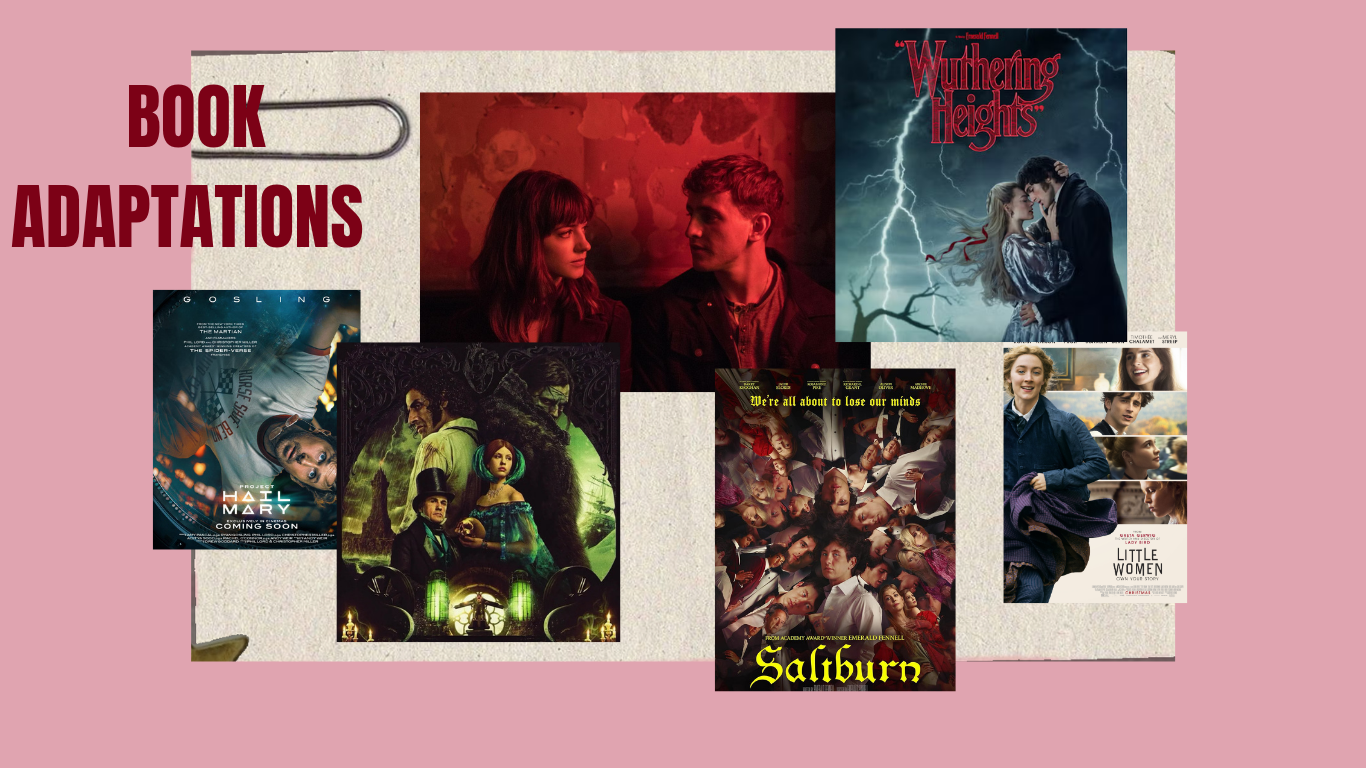
Subjectivity in book adaptations
The question of what people want in an adaptation is widely debated and varied; however, one thing remains certain— the emotions of a literary work are central for a visceral experience of the adaptation. The most prominent feelings we are left with after we read a novel, set the scene for what kind of tone and mood that exists within the fictional world we have immersed ourselves in. Audiences don’t necessarily chase after utter historical accuracy, but for a certain feeling they relate to that piece of literature.
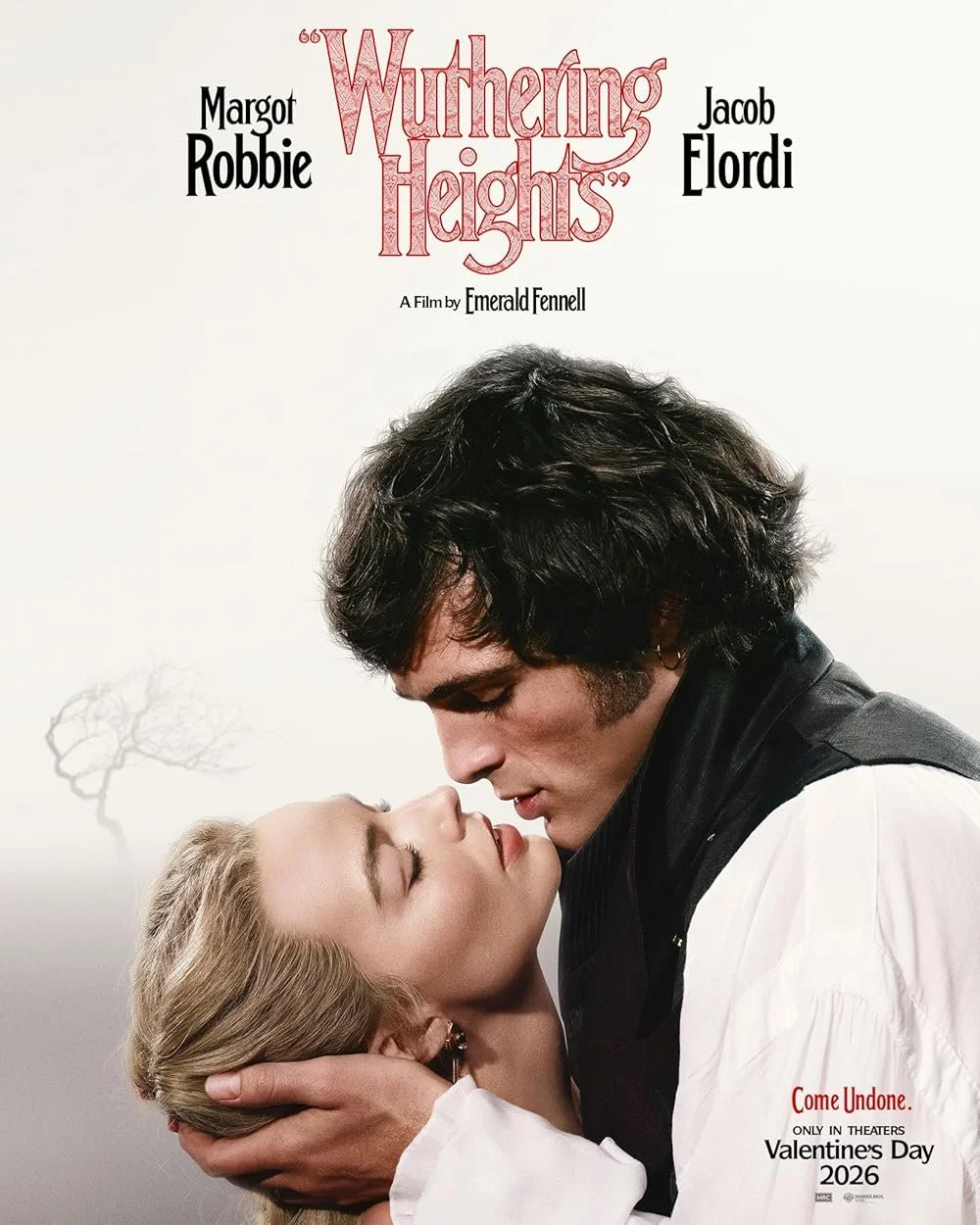
Photo: IMDB
For example, the mixed reception of Emerald Fennell’s “Wuthering Heights” (2026) is mostly due to the colorblind casting and historical inaccuracies, which leads to the fact that it doesn't feel like watching Emily Brontë’s novel come to life. Instead, it may feel like a half-baked, sensual Victorian fan-fiction, which could’ve been an original screenplay or any other period-romance book. Fennel argued that the casting and creative choices she made were based on her imagination of the novel from when she first read it at 14 years old. However, her statement can be debated on a larger discourse regarding the imagination of the reader.
Although a reader’s imagination and how they picture characters are subjective, there is a distinction in personal interpretation and omitting key details that are central to both the characters and the novel’s theme. In the case of “Wuthering Heights”, that is, Heathcliff’s race, which is essential to the novel’s themes about racism, social class hierarchy, alienation, et cetera. The adaptation's heavy emphasis on sensuality and romance reduces the weight of the psychological trauma in the main character's relationship into shallow romance. The latex dresses and fluorescent production design don't feel like Brontë's Gothic novel either.
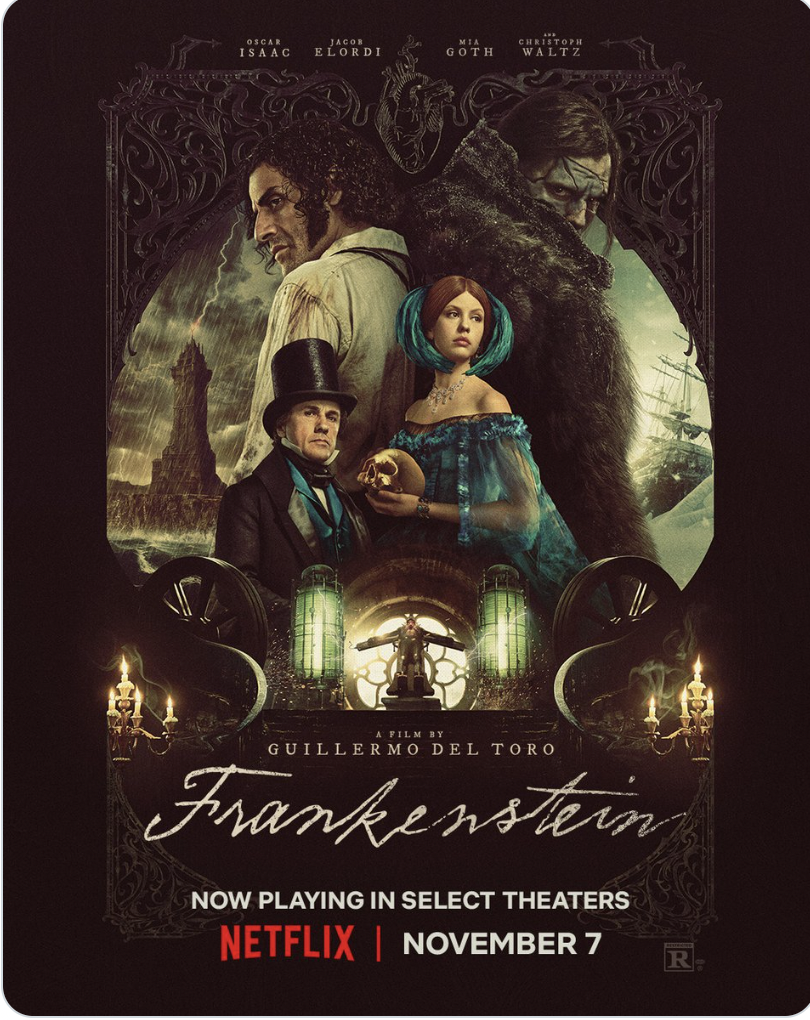
Photo: X/Netflix
This is one of many reasons, especially adaptations of classical books are contested, because there already exists a specific tonality and image of them that’s been reinforced for hundreds of years. However, it is possible to convey the emotions and feelings of a novel with creative liberties. For example, the 2025 adaptation of Frankenstein by Guillermo Del Toro. The movie is based on the 1818 version of the novel, and although it doesn’t fully encapsulate the thematics of the novel either. In my opinion, the narrative emphasizes the toxic father-son relationship to an extent that this becomes quite repetitive throughout the film. Nevertheless, the feelings of obsession, alienation, fear, and vengeance are ever-present through the cinematography, costume design, and lighting. This creates the emotional tones and mood of the movie; even though the audience might disagree with the execution, this adaptation truly embodies the essence of Mary Shelley’s novel.

Another example is the TV show, Normal People (2020), which is based on the contemporary coming-of-age novel by Sally Rooney. Although there were some slight modifications to one of the main characters, Marianne, this subtle change actually made more sense for her character, since in the show, she seems more steadfast and self-assured than in the novel. The narrative in the show conveys much of the same thematics as the novel, such as how the relationship between the main characters relies on miscommunication, and the complex layers of feelings they harbor inside themselves. Usually, when we think of the coming-of-age genre, we tend to think of a grand glow-up, a profound momentum of change, etc. However, the emphasis in the show was on the dialogue and characters' development, it’s quiet, subtle, yet empowering in its portrayal of the characters' interior world.
What makes a good adaptation?
A good adaptation does not necessarily need to have complete fidelity to the original novel. However, it does need to grasp the main philosophy of the original work. By understanding the main philosophy, the tones and mood of the work can be portrayed on screen in a way that reflects the original work. A good adaptation can, in many ways, challenge the existing original work by drawing on a new interpretation of the narrative or the characters. Literature is always contested, and thus, by challenging, instead of trying to find ways to “suit” it for modern audiences, adaptations can serve as a format for broadening new interpretations and knowledge among audiences.
Adaptations such as Little Women (2019) by Greta Gerwig stay faithful to the main philosophy of the work, but simultaneously introduce creative liberties, for example, by offering an alternative ending. The original author Louisa May Alcott was denied to write her desired ending, because her publisher refused to publish it due to the gender conventions and expectations at the time. Therefore, by offering an alternative ending, it pays homage to the author and gave her characters the autonomy they couldn’t have.
Another reason why fidelity and historical accuracy should not be the main emphasis, is because of the limited run time. Movies only have a few hours, and TV shows may have just 10 episodes to convey an entire 400-500 page novel.
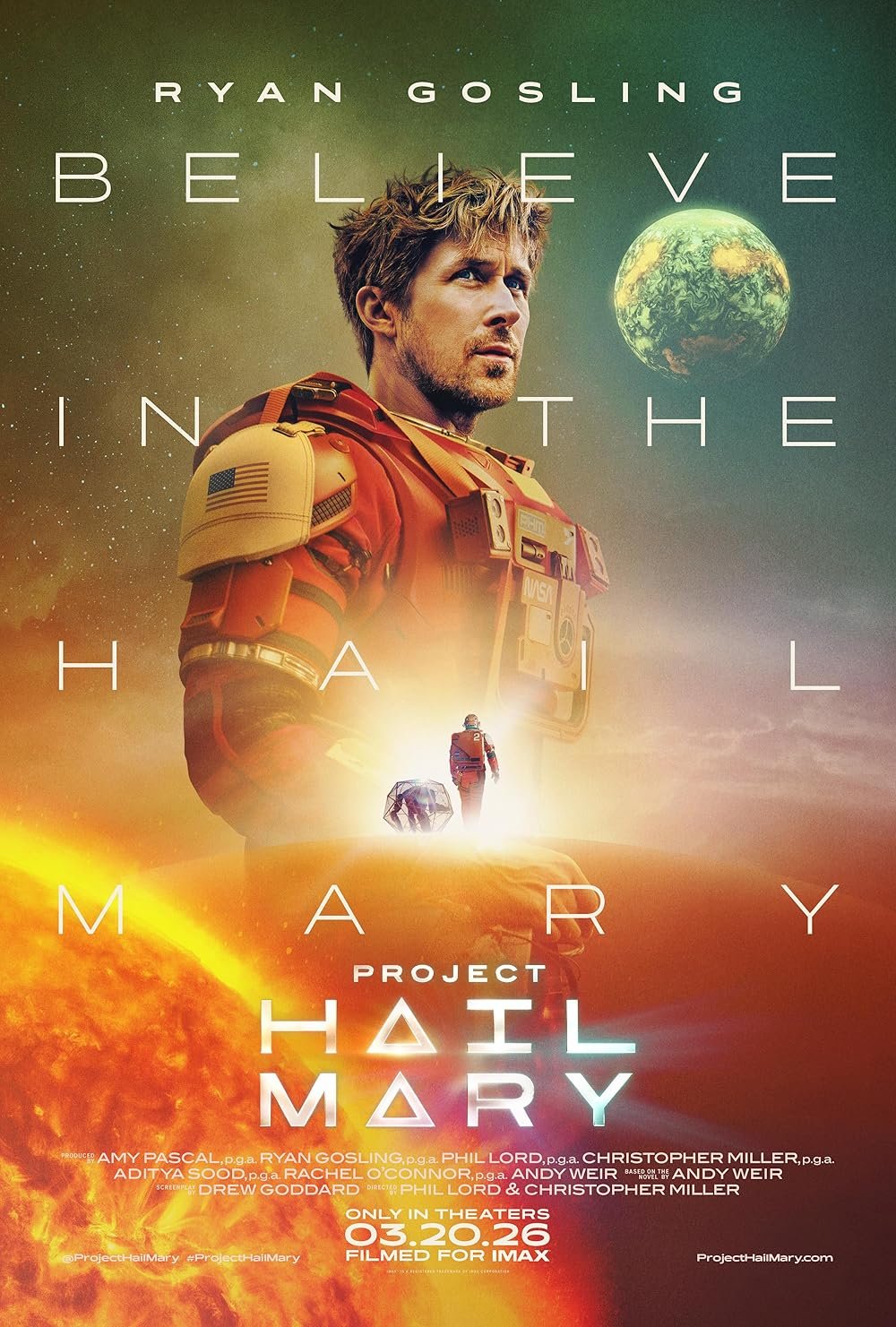
Photo: IMDB
An example of this is the newly released movie Project Hail Mary (2026) by Phil Lord and Chris Miller. It is based on the Sci-Fi novel by Andy Weir. Although the limited run-time resulted in cutting a great deal of the scenes from the novel, the thematic and humorous tone of the novel still remains. The story itself is very heartfelt, and it has many complex, emotional, and political layers to it. This novel in particular can be tricky to adapt, because most of the communication is between Ryan Gosling’s character and an alien. However, in my opinion, they encapsulated the tone and mood of the novel very well, juxtaposing the theme of humorous, endearing friendship with the existential dread of humanity in the vast unknown space.
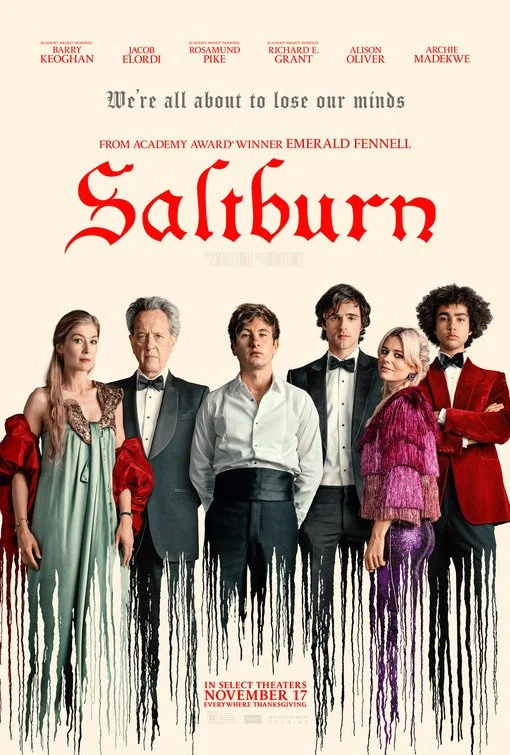
Photo: IMDB
Audience reception and inspiration
Emerald Fennell has argued that she chose to put quotation marks around ‘Wuthering Heights’ in her title, because the quotation mark indicates that she is making a subjective version of the original novel rather than a direct adaptation. However, if her purpose was to make a subjective version of her own interpretation, then she could’ve written an original screenplay which is heavily inspired by Wuthering Heights instead of calling it an adaptation .
Fennell’s movie Saltburn (2023) is an example of how “Wuthering Heights” didn't need to be quotation-marked. She wrote an original screenplay for Saltburn which is inspired by Evelyn Waugh’s 1945 novel, Brideshead Revisited, drawing on similar themes; thus, this illustrates how it is possible for movies to be inspired by original literary work without erasing its core elements. The movie also takes place in modern times, which is a creative twist on Waugh’s novel.
Readers and audiences don’t necessarily look for every historically accurate detail, nor do they scrutinize the faithfulness to the original text—what they might want to see is a constructed fictional world, which has the core characteristics of the original literary work. What makes a novel unique is its thematics; it fleshes out the characters and their world. By eliminating core elements, the skeleton of the original work is omitted, removing all its distinctiveness and life. Then is it even an adaptation anymore?