The time warped footprint of an immigrant
Feature - Celina Abi Saab
Migration, while essential to human life and development, has always faced scrutiny out of fear of the unknown. In an attempt to bridge this gap, one young man gave the opportunity to “Ask a Korean!”, utilising his access to the media to bring forward an authentic voice about culture and immigration. The footprints in our society are varied, and although sometimes controversial, they are international.
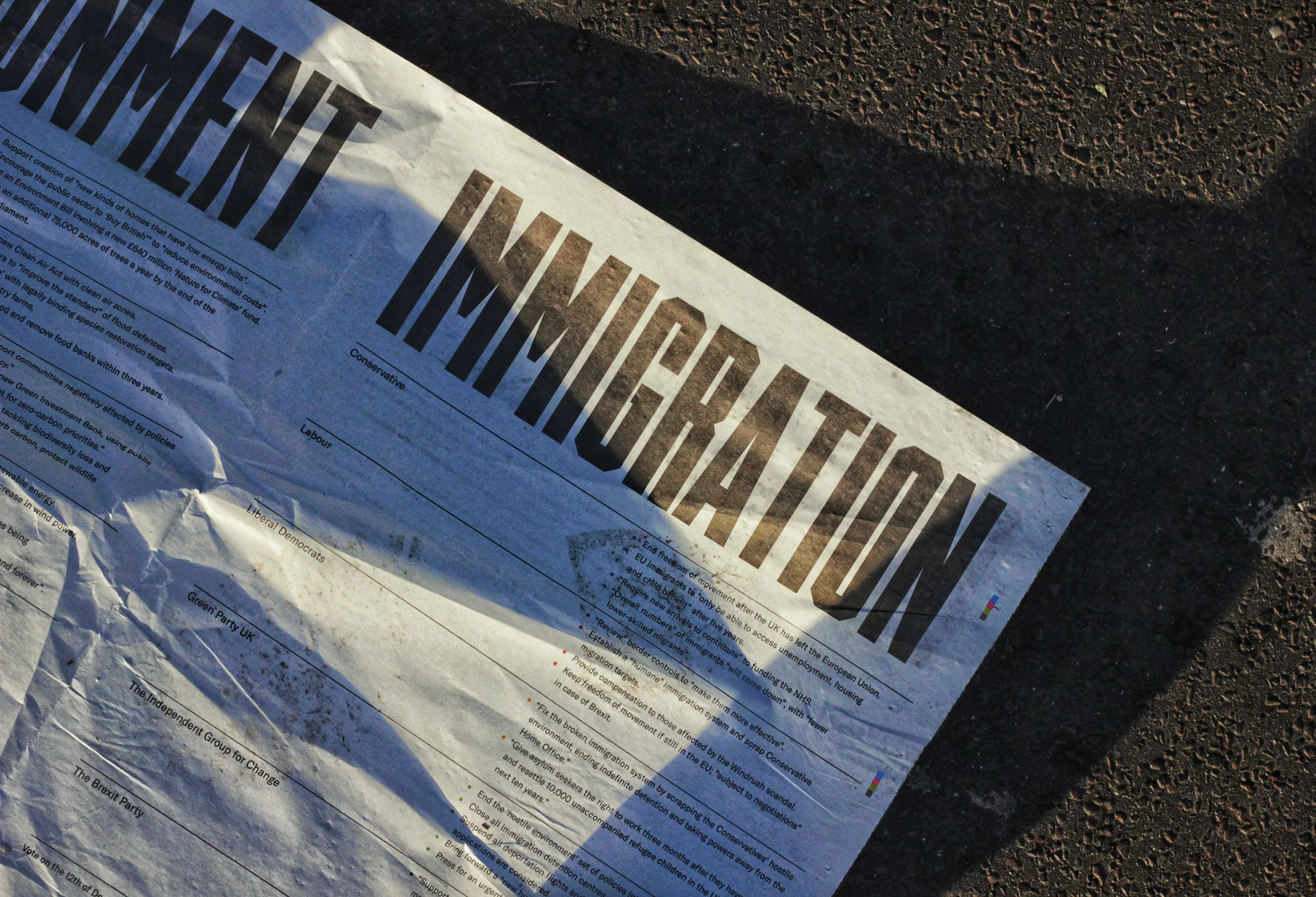
Photo: Metin Ozer / Unsplash
Figuratively, the footprint of a person is their presence. It’s the impression someone leaves and how others perceive them. How a person presents themselves, is affected by everything around them - and in a media centred age, things a person sees online affects their opinions.
Immigration remains a complex topic of controversy in the media today. There are opinions on “right vs wrong” immigration, and on whether or not we need immigration at all. The constant debate in the media on whether or not immigrants are “good” or “necessary” often paints an image of what an immigrant is, prioritising general statistics over lived experiences. Seeing immigration from the immigrants perspective is an eye-opening addition to the public debate. Although varied and complex, the immigrant experience is one with many layers. It’s a human experience, with unique footprints in society. In one of these layers is an interesting phenomenon called the “immigrant time warp”.
It’s easy to differentiate cultures based on stereotypes of what they are today - but the immigration time warp brings up a topic I assume most of us would never even think about. It refers to the phenomenon that immigrants live in the culture of what their country was, before they moved. This analysis is not unseen in media, but it is underrepresented. In the 2000s, one man, “The Korean” (who occasionally shortens it to TK) brought it forth and explains, on his Korean-American blog Ask a Korean!.
«The Korean has found that understanding the immigrant time warp is most helpful to the second generation Korean Americans who have a hard time understanding their parents. In most cases, they do not know that their parents think not just like Koreans, but more like Koreans of the 1970s (or whenever they immigrated)»
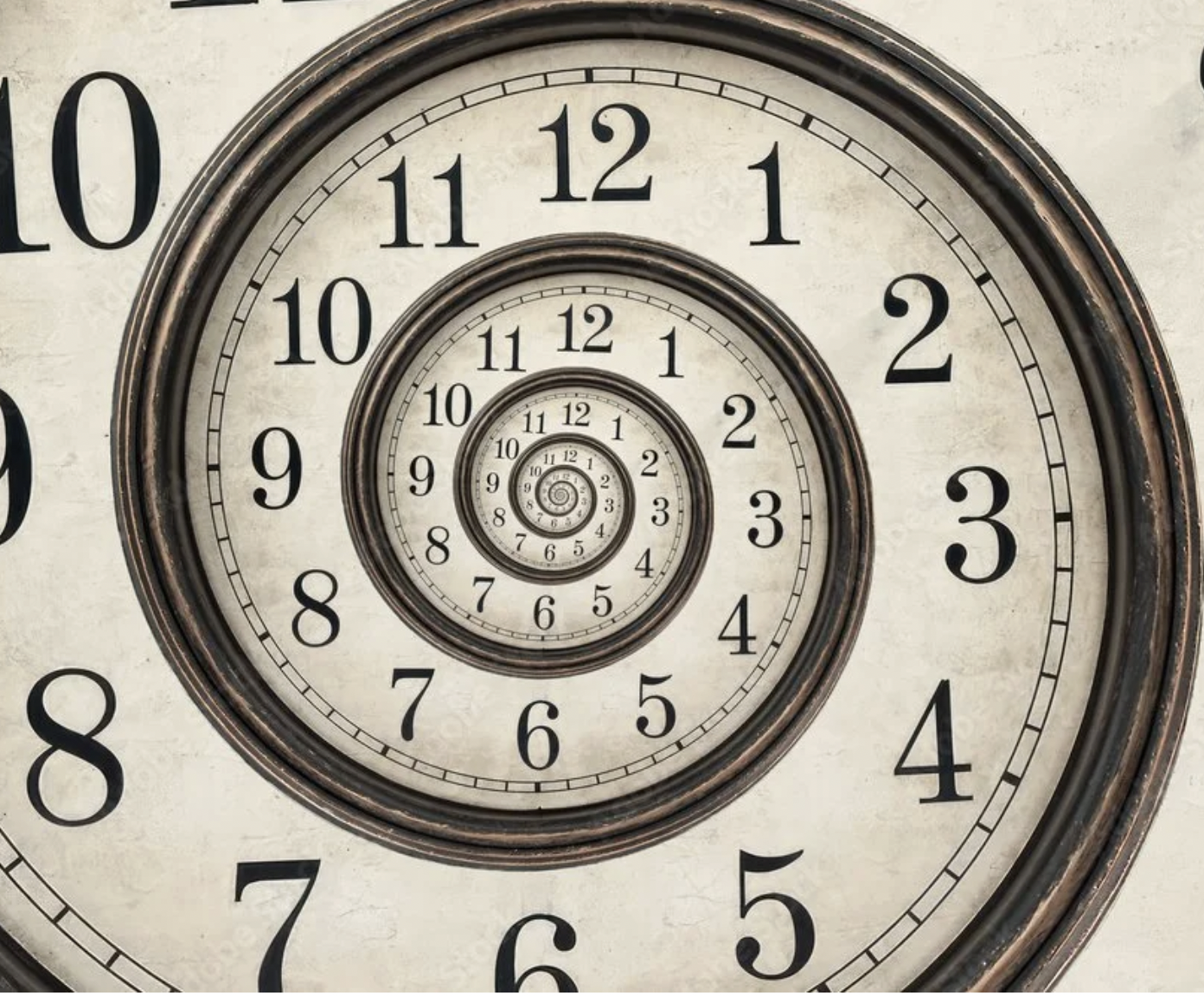
Photo: iStock
Individuals who leave their country because of tragedies generally preserve their culture pre-tragedy, and usually pass it onto their children. Being the child of an immigrant often means balancing the culture in which you were born into or moved to, and the culture your parents teach you. The time warp theory explores the idea that the culture their parents teach is the one they grew up on; regardless of whether the country’s norms are currently the same. This adds further depth to a child of an immigrant’s role in society.
Despite the complexity of immigration, the media often fails to acknowledge factors from the immigrants’ perspectives. The immigration time warp is one element of immigration often neglected in the media today.
Bringing a foreign culture into another will always lead to the question of acculturation (an umbrella term for processes like integration, assimilation, etc.). But too often it gets posed in a negative light, demeaning immigrants to being nothing more than Foreign and Othered; painted as people bringing in negative and foreign values.
The media has a real power in shaping our opinions and views (therein lies our responsibility), we know this on a larger level. Specifically, a study done by the IoPPN shows that the language used about immigration in the media can determine whether immigrants are seen as individuals or simply grouped together as one entity. Seeing people for what they are, with unique thoughts and intentions, can be decisive factor in the formation of positive or negative opinions in the public.
When conflicts or national issues arise, media outlets often take advantage of the fragile public opinion surrounding immigration, and use different tools to spread propaganda; whether that be a fictional character in a patriotic sitcom, or social media platforms failing to filter out anti-immigration propaganda. In Norway, positive attitudes toward immigrants declined in 2025. The media coverage has emphasised challenges within integration. The conversation about integration tends to mostly point out the negative aspects, meaning that the success stories or positive contributions from immigrants to society are portrayed as rare. In turn, polarising opinions between integration or separation.
Highlighting issues within integration without bringing light to the positive additions, dehumanises immigrants. Ultimately, the media doesn’t always have opportunity for nuance, and immigration can be a convenient headline and easy bait for clicks. Yet, discussing things like the immigrant time warp is important for an empathetic approach to immigration today.
Recognising the depth of the immigrant experience is vital to understand the footprints they leave in society. The footprint of an immigrant isn’t just one of a foreign culture, it’s one of culture, history and evolution. Foreign, unknown and human progress. It’s a footprint shaped like the past of a country reserved only for the people who never lived in the present.