Pride and Prejudice’s footprints in modern romance storytelling
Comment - Vivien Vetriolo
When Pride & Prejudice (2005) first appeared on the screens, it was quickly seen not as just another adaptation of Jane Austens’s well-known novel, but also as a game-changer for the genre of romance on screen. Its stylistic and emotional choices have echoed through films and television, establishing a template for how modern romance is performed and visualized.
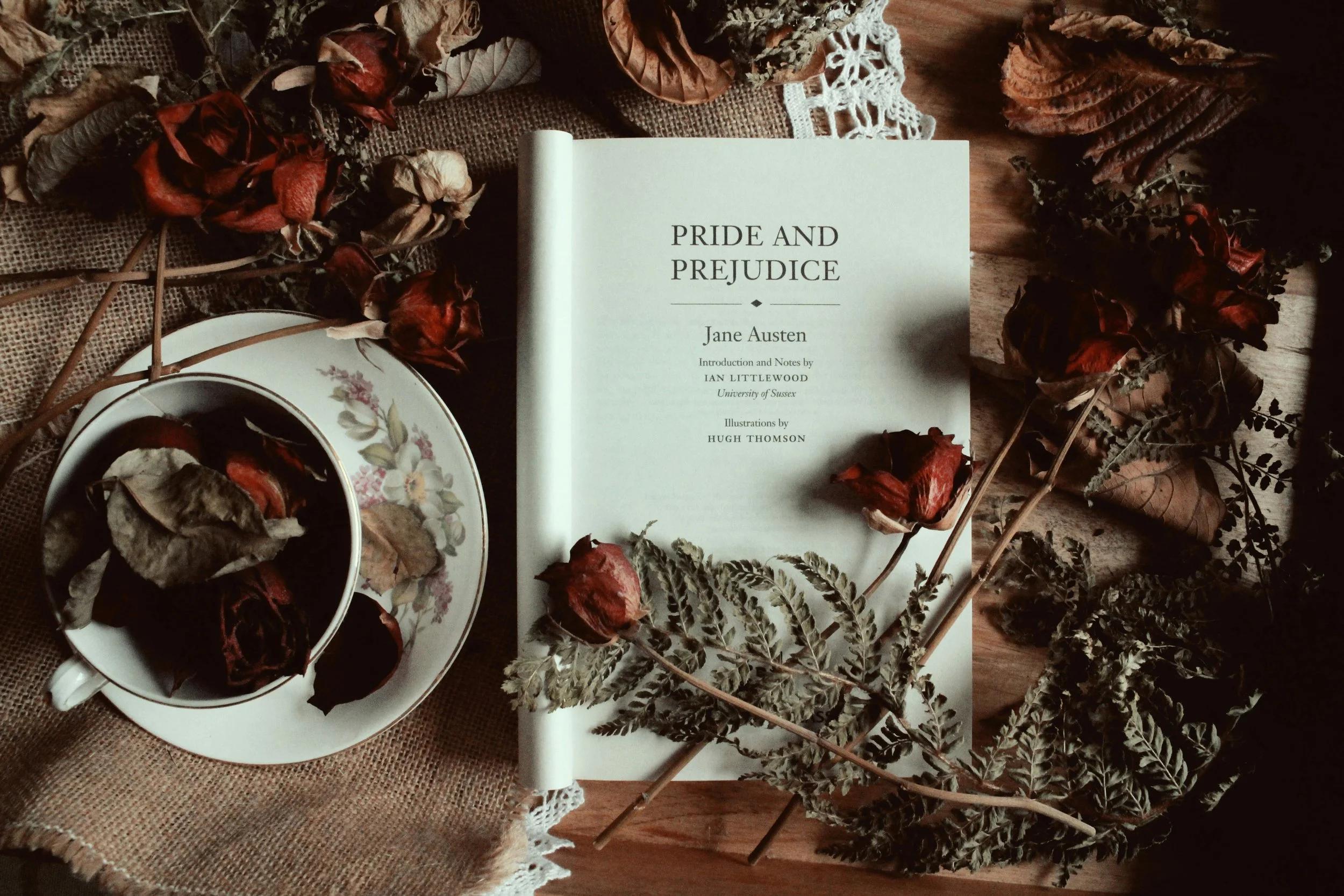
Photo: Alain Howlin / Unsplash
Among the numerous adaptations of Jane Austens 1813 novel Pride and Prejudice, the 2005 film adaptation starring Keira Knightley and Matthew Macfayden is arguably the most popular. The 1995 BBC miniseries also tops the ranks. This version regarded as the most true to the original text. While the general consensus may be that the 1995 adaptation is mose accurate, it is sometimes outpreferred by the 2005 film, due to the latters cinematography, more condensed and digestible approach, and charm.
“You have bewitched me body and soul, and I love , I love, I love you. And wish from this day forth never to be parted from you.”, said by Mr. Darcy in the 2005 film is not said in the book, but is a part of the “modernised” dialogue that sets this adaptation apart from the rest. Though the modernisation it not really what has made this film a fan-favourite, but rather its narrative builds, character archetypes, and cinematic style. These are elements that not only made the film itself stand out, but also has made the film a massive influence for later works, making its footprint apparent in its legacy.
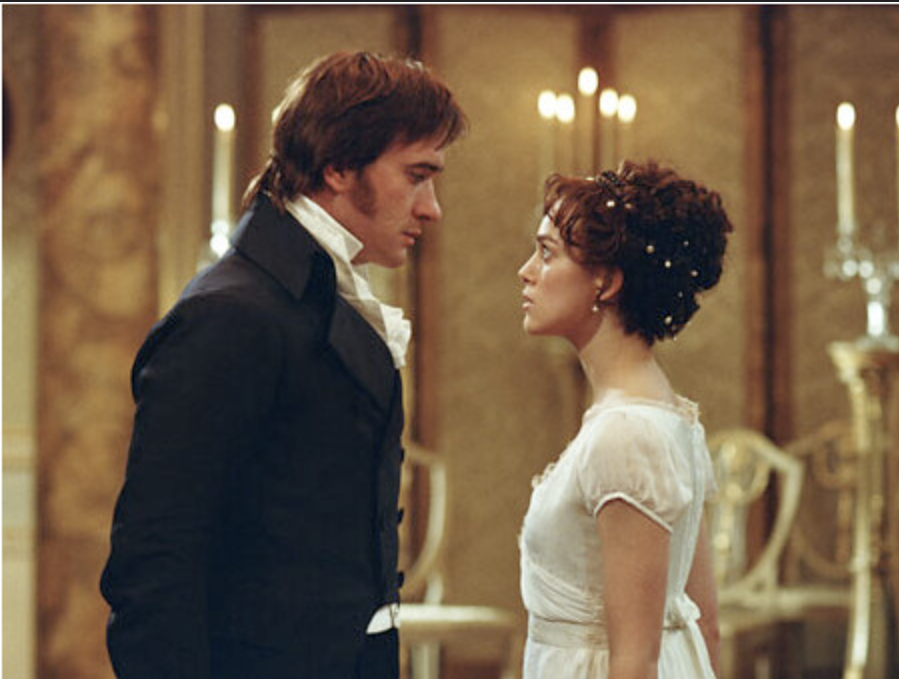
Still from the film, of the lead characters of the story: Mr. Darcy (played by Matthew Macfayden) and Elizabeth Bennet (Keira Knightley). Photo: Apostolos Letov / Flickr
Slow-Burn and Tension
Famously found in rom-coms is the formulaic approach to romantic films, which is often critiqued for being predictable and therefore uninteresting. This approach is not found in Pride and Prejudice (2005). Instead of instant attraction, the movie builds romance through misunderstanding, pride and emotional shifts. All of which come gradually throughout different scenes, and changes with the story. This specific structure, beginning with the initial dislike, turning to reluctant respect, which then turns into longing, is now seen everywhere in this specific genre.
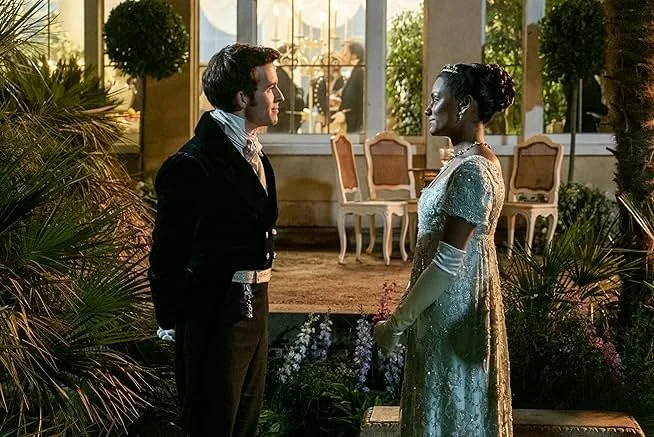
Anthony Bridgerton and Kathani “Kate” Sharma, leads of Bridgerton season 2. Photo: Liam Daniel / Netflix. From IMDB.
A very well-known and popular romance adaptation is Bridgerton (2020-), a Netflix and Shondaland series adapted from the bookseries by Julia Quinn. Its core romantic arcs, especially as found with Kate and Anthony in Season 2, bear an obvious resemblance to Elizabeth and Mr. Darcy. Starting with the immediate friction, just as Elizabeth and Mr. Darcy, Kate and Anthony clash intellectually and morally, forming strong negative judgments towards each other. However, throughout the series, the pair can simply not avoid each others presence. Long stares, breath-heavy silences and near confessions - their physical longing is obvious, but constantly suppressed and the attraction builds through repeated encounters. The audience recognises the chemistry early but the characters resist it, creating anticipation.
Pride and Prejudice creates the template that delay increases the desire. Just as Mr. Darcy and Elizabeth, Kate and Anthony keep their love for each other out of reach until the final pay-off between the couple comes.
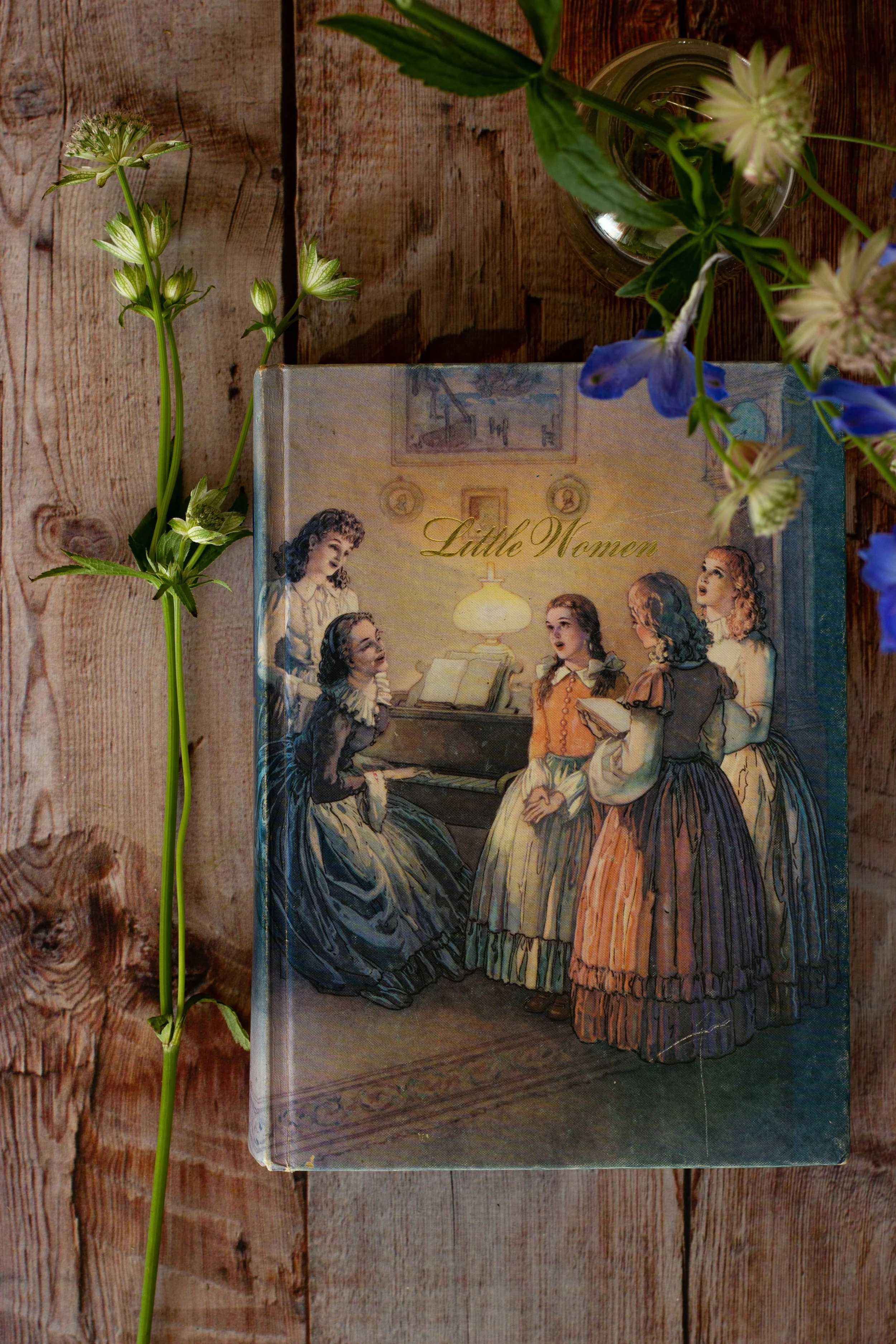
Photo: Micheile Henderson / Unsplash
Character archetypes - brooding male & independent female leads
Pride and Prejudice sets an example as to how the character express themselves and interact with each other. While Darcy is later perceived as fiercely loyal and passionate, in the beginning, the character comes across as emotionally controlled - and arguably repressed - and appears to struggle with expressing himself and his feelings.
The internal struggle of balancing social expectations and personal desire creates the tension that builds the story. The audience experiences the male character struggle with his own emotions. Remaining with the example of Bridgerton, the male leads throughout all seasons portray their own struggles with expectations and emotional restraint. On the other hand we have the independent female lead. Elizabeth is intelligent and witty and refuses to compromise her principles for social gain or superficial romance. She challenges Mr. Darcy, provoking emotional growth in him. Just like Elizabeth, Jo March in Greta Gerwigs Litte Women (2019) also prioritises independence and self-fulfillment over immediate romance. These modern romances demonstrate that the female lead is not a passive participant but instead an active heroine in her own story. The emotional arcs involve growth on both sides.
Stylistic and atmospheric influence
In Pride and Prejudice (2005) camera movements often follow the characters through space, putting an emphasis on proximity, distance and hesitation between the characters. The scene were Mr. Darcy and Elizabeth walk through the misty fields expresses emotional tension through the camera movement.
Later romances use the concept of space to reflect on emotions. In La La Land (2016) the filmmakers use framing to show separation and connection. When Mia (Emma Stone) watches Sebastian (Ryan Gosling) play piano in a club, the camera lingers on her reaction, focusing on her admiration and desire.
Both movies use cinematographic tools as a way to tell the emotions in the story, conveying tension, attraction and intimacy.
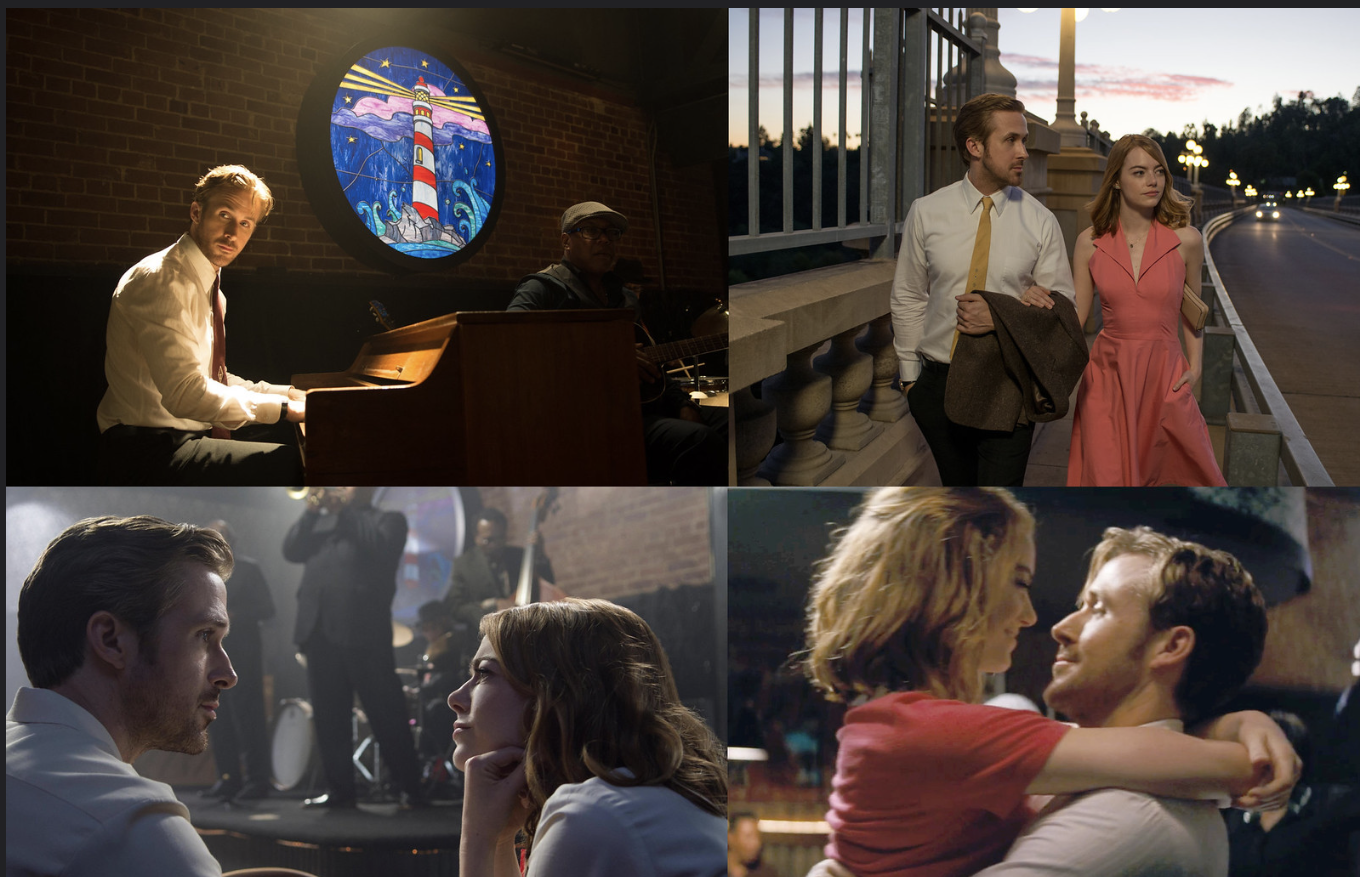
Photo: Deepskyobject / Flickr
Pride & Prejudice’s footprints apparent in the way it created a repeatable emotional and cinematic blueprint for romance, such as the longing and desire, the restraint leading to tension and the character development which drives the story. Films and TV Shows like Bridgerton, La La Land or Little Women reinterpret these elements, emphasising that the emotional and structural idea of Pride and Prejudice continues to shape how love is being portrayed on the screen and how we perceive it.