New Frontiers in Spaceflight
Feature - Eduard Teodorescu
The new successful landmark, Artemis II, points to the beginning of a new path, where hope and technology blend in and condense into a speedrace for the arrival to our natural satellite’s dark craters. Space travel has never been more frequent; from Katy Perry’s brief vacation, to NASA’s successful mission, we must ask ourselves questions about our intergalactic future.
Artemis II
The world as we know it just became a bigger place.
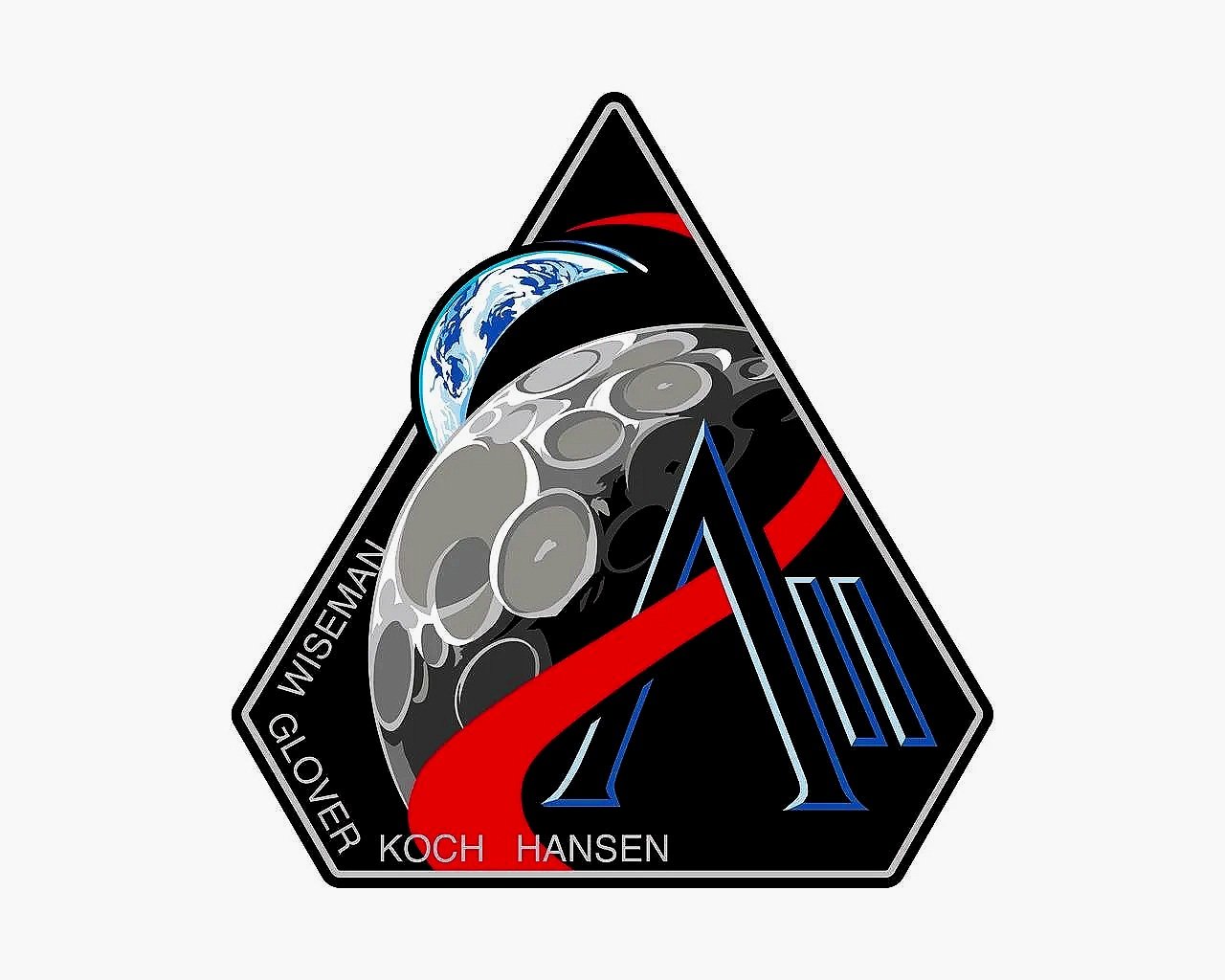
Foto: NASA / Artemis II mission crew patch by Greg Manchess
The mission’s purpose:
Artemis II: NASA’s superfast lunar act consists of a 10-day thrill ride where four daring astronauts hop aboard Orion’s transport capsule, blasting from Kennedy Space Center’s Launch Complex on the SLS mega-rocket to assess the Moon’s far side.
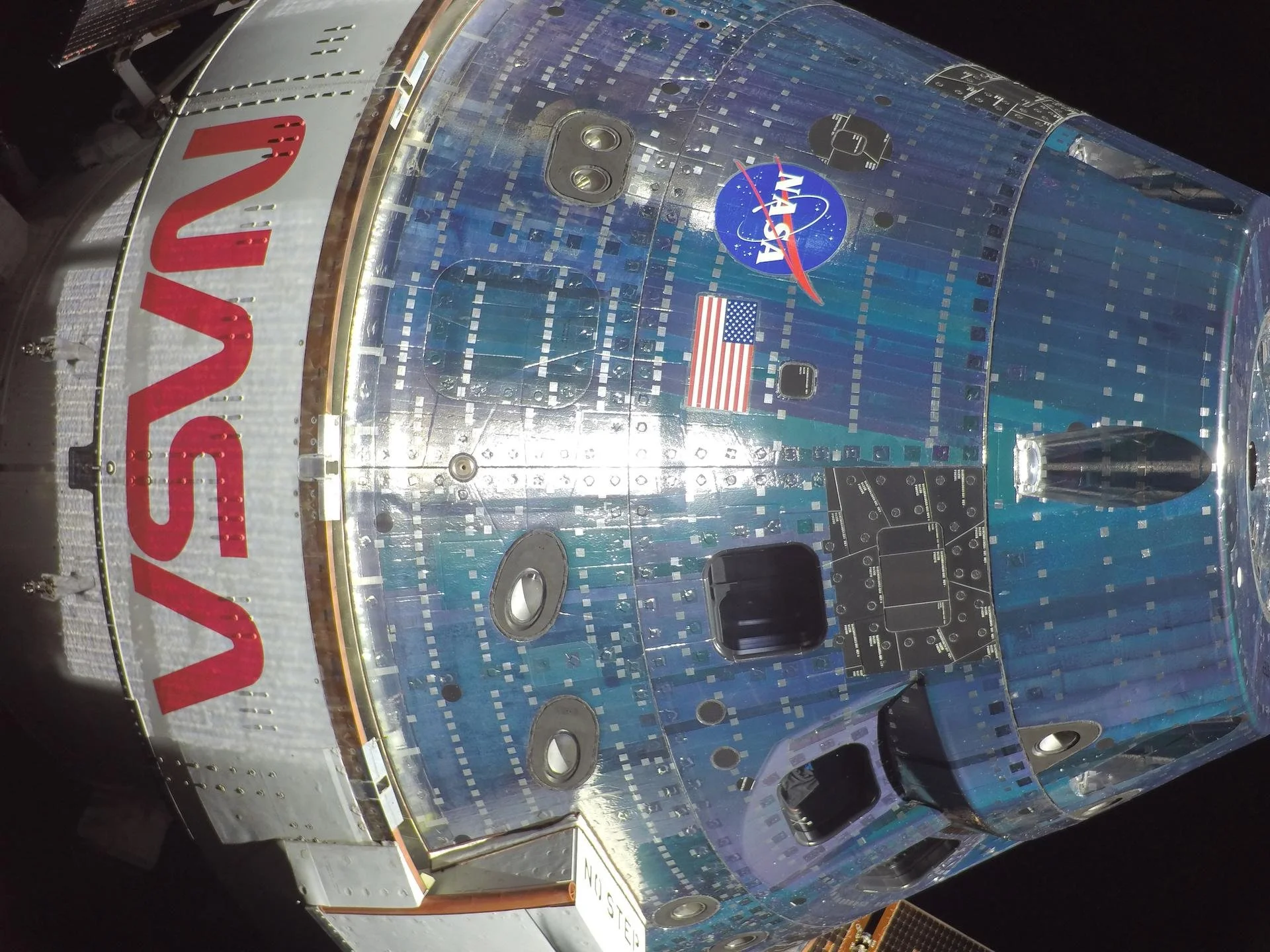
Foto: NASA / Artemis II Return to Earth
The first two days revolve around Earth’s orbit, tinkering with Orion’s piloting gadgets to obtain the perfect directions, followed by a pinpoint targeting demo around the Moon. The second phase begins a rousing four-day ascension powered by the European service module’s trans-lunar beam in the form of a slingshot.

Foto: public domain of trajectory / Wikipedia
They looped around the Moon’s hidden hemisphere in a gravity-fueled figure-eight, stretching 230,000 miles (370.149,12 km) from Earth and peaking 4,600 miles (7.402,982 km) beyond the lunar surface, like a celestial rollercoaster with no limits! No touchdown, just proof that Orion could handle the universe's toughest pressures, paving the way for Artemis III’s future lunar landing.
The Artemis II mission, sent by Nasa to assess the conditions meant for future travels on the Moon surface, consists of 4 spaceship crewmembers, who have sparked many discussions in the international media. The members of the mission are: Commander Reid Wiseman, pilot Victor Glover, mission specialist Christina Koch & mission specialist Jeremy Hansen from the Canadian Space Agency. It’s the ultimate shakedown adventure, exploring new tactics for future deep-space explorations.
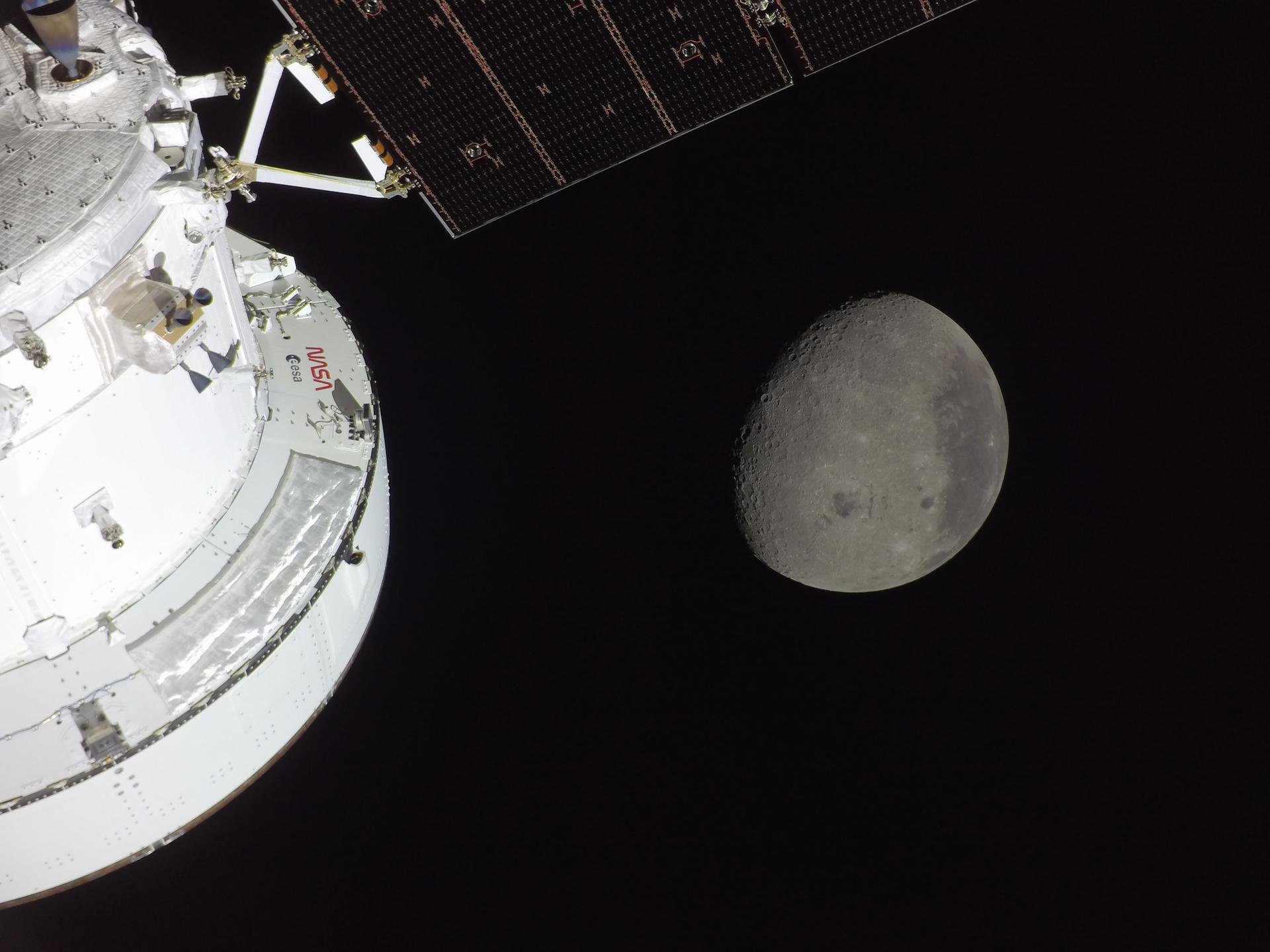
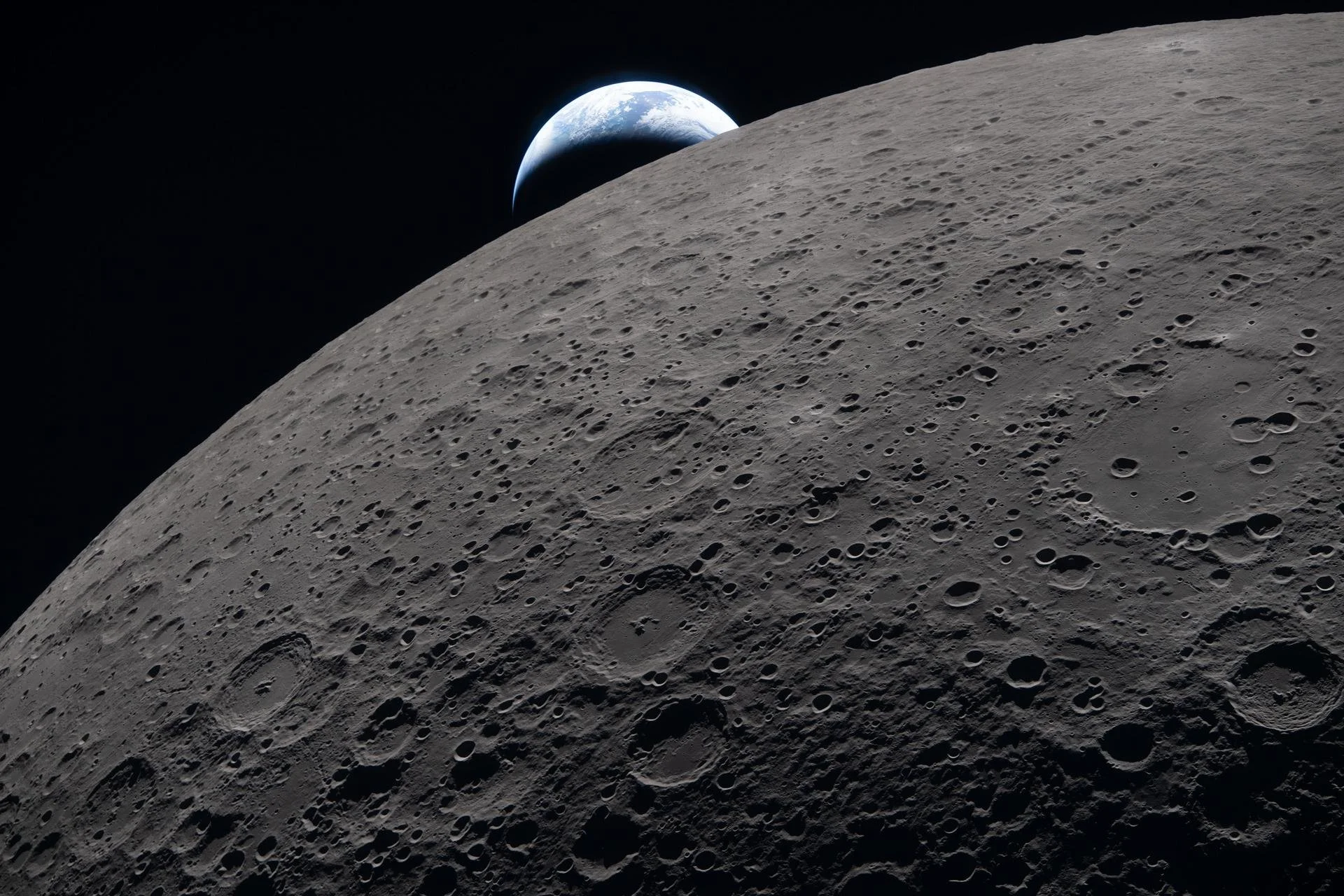
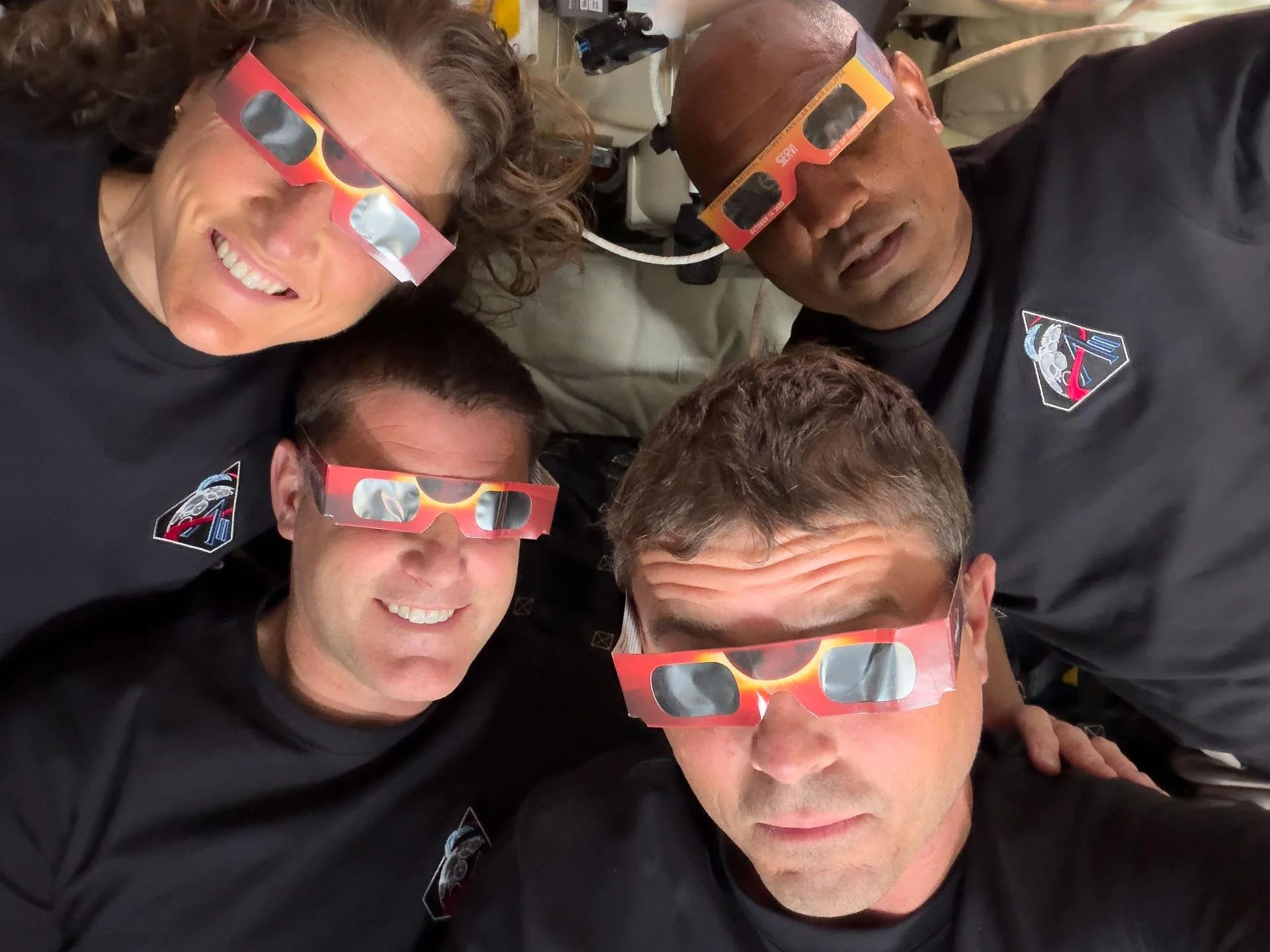
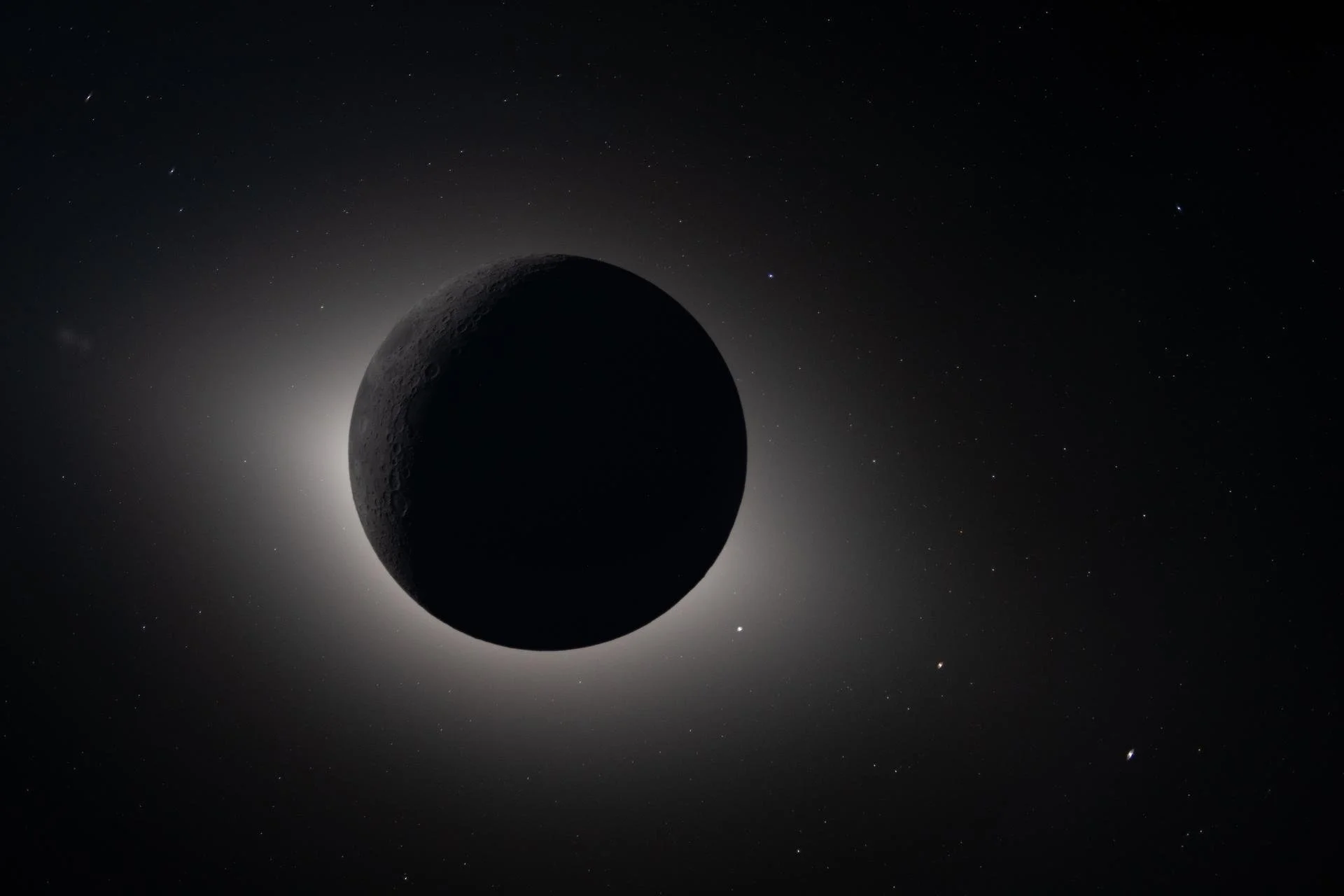
Fotos: NASA / Artemis II Lunar Flyby
What is so special about this mission is that the Earth-Moon gravity does the heavy lifting on Orion’s soar. On its return back to Earth, this pull is providing a free ride on Orion back over four days of final system stress-tests, no extra fuel needed. It’s NASA whispering to the stars, “We’re baack!,” with a Pacific splashdown that says, “Moon base, we will come again soon, we missed you!”
Humanity is awestruck by the return of the spacecraft and the safe arrival of its crew. Thus, the creation of a settlement becomes more likely and brings positive news for future missions envisioned by NASA, where the next point will be the surface of Mars, thereby demonstrating that humanity can cross new frontiers with conscious action, step by step...
Besides the Artemis mission, there is an inspiring prodigy in physics who has the potential to revolutionize the world of science and bring us closer to understanding the universe better. By promoting people who have a positive impact on the future, the new generation will be more likely to continue dreaming big, at the same time as it will create a more positive outlook of humanity’s future, especially necessary in nowadays landscape.

the next physics mastermind - Sabrina Gonzalez Pasterski
One of the scientists that could revolutionize the world of science is Sabrina Gonzalez Pasterski, who is believed by most to be the next physics mastermind, on the same wavelength with Einstein. The Harvard PhD grad has turned down heavy offers from Google or even Jeff Bezos, at Blue Origin, but decided to remain loyal to the scientific cause and the future exploration of the universe.
Foto: Sabrina Gonzalez Pasterski / SD2
a prodigy is born
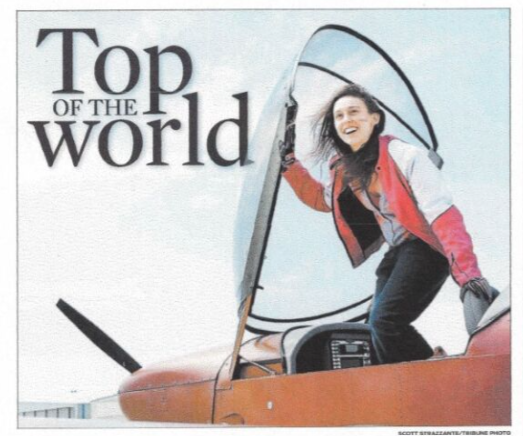
Her passion for spacecrafts does not fall far from the tree, both her father and grandfather were pilots. After taking plane lessons and from the age of 12 to 14 she constructed an airplane Zenith CH 601 XL from a kit that shocked the world. She modified the aircraft based on airworthiness attempting to obtain the necessary certifications. In 2010 she applied to the Massachusetts Institute of Technology (MIT), where she was waitlisted at first, because on paper her achievements were not as spectacular. Her first-generation Cuban-American immigrant background meant she had to be twice as good to succeed and get half as far, but that never stopped her!
Foto: Sabrina Gonzalez Pasterski / Perimeter Institute
Her picture as a pilot in the personal red painted aircraft landed in an envelope on the board’s desk. That was her only attempt to appeal for her education. She shocked MITs committee and proved that she was going to be one of the brightest future students of the prestigious academy: upon second considerations she was finally awarded a spot, after everybody rallied behind her. She became the first #1 woman to graduate in MIT Physics in 20 years. Her remarkable capacities were awarded an Orloff Scholarship & a perfect 5.00 GPA, the highest possible score, while still being a teenager.
By the time her graduation approached she was already offered a job at NASA and, although it proved tempting, she rejected both the position at the space agency and at Jeff Bezos’ firm. "I want to understand how the universe works," she explained, "not make billionaires richer." Thus, she continued to dedicate herself to knowledge, enrolling into Harvard for her PhD, where her study revolved around black holes, spacetime and celestial holography. At the age of 25 she was a source of inspiration in one of the last articles written by Stephen Hawking..
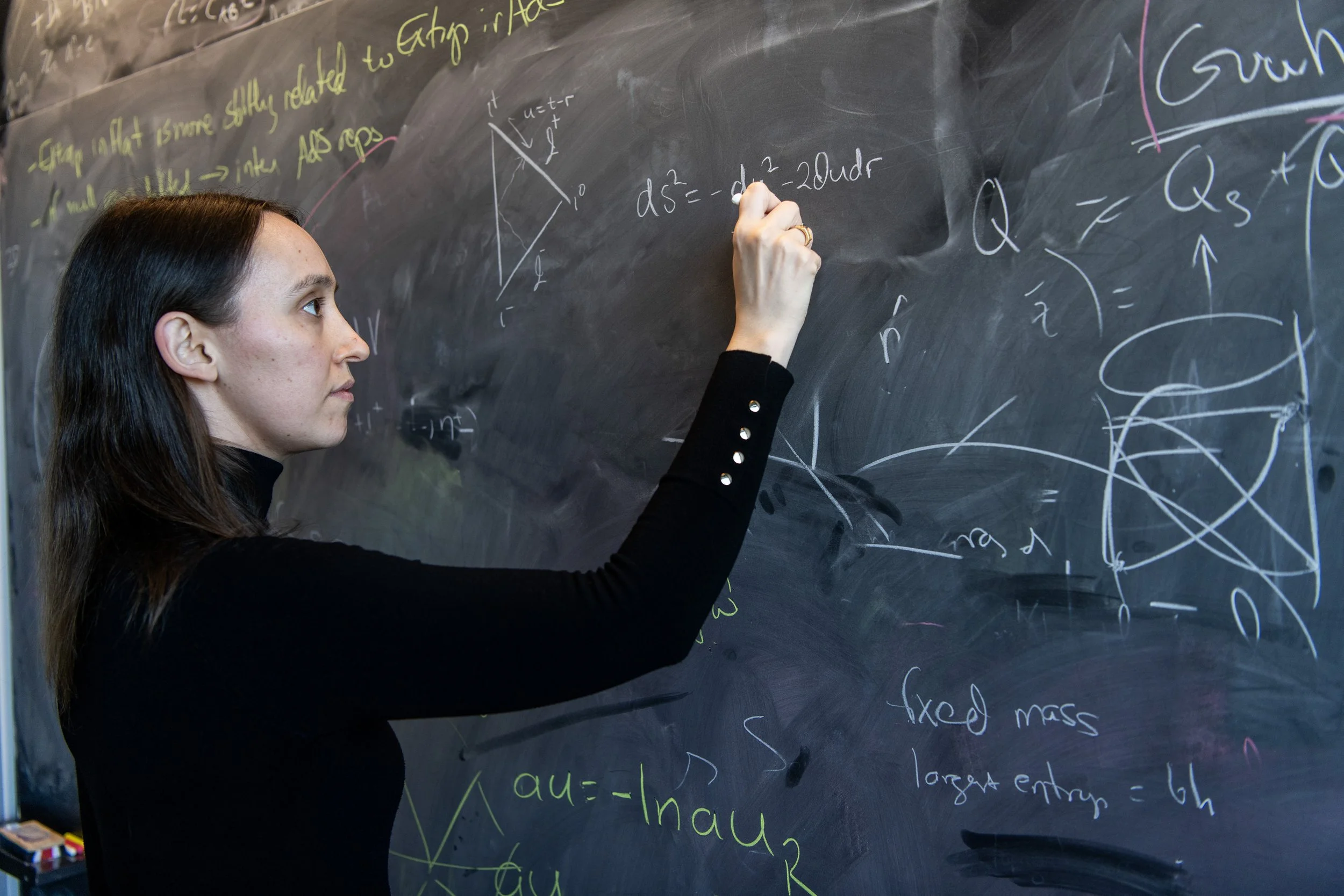
She was focused: no social media appearance mattered
Throughout her career she embodied a role model, advocating for women and girls in STEM across Cuba and Russia, after feeling underrepresented in physics competitions. For example, only 23 women were among 300 Physics Team semifinalists, so she worked on a documentary to encourage young women and minorities to pursue science.
Foto: Sabrina Gonzalez Pasterski / Perimeter Institute
All of these assignments culminated with her founding the Celestial Holography Initiative at the Perimeter Institute, which tackles one of physics biggest challenges by encoding our universe as a hologram through quantum theory in an attempt to challenge our grasp of spacetime.
Her successful story is a reminder that we are a species in constant expansion. She managed to succeed while only updating her website with accomplishments, without social media appearances. Consequently, Sabrina & her successful story are a reminder that determined individuals who pursue the good, in favor of bigger numbers can win too, because ultimately, “Knowledge is power”
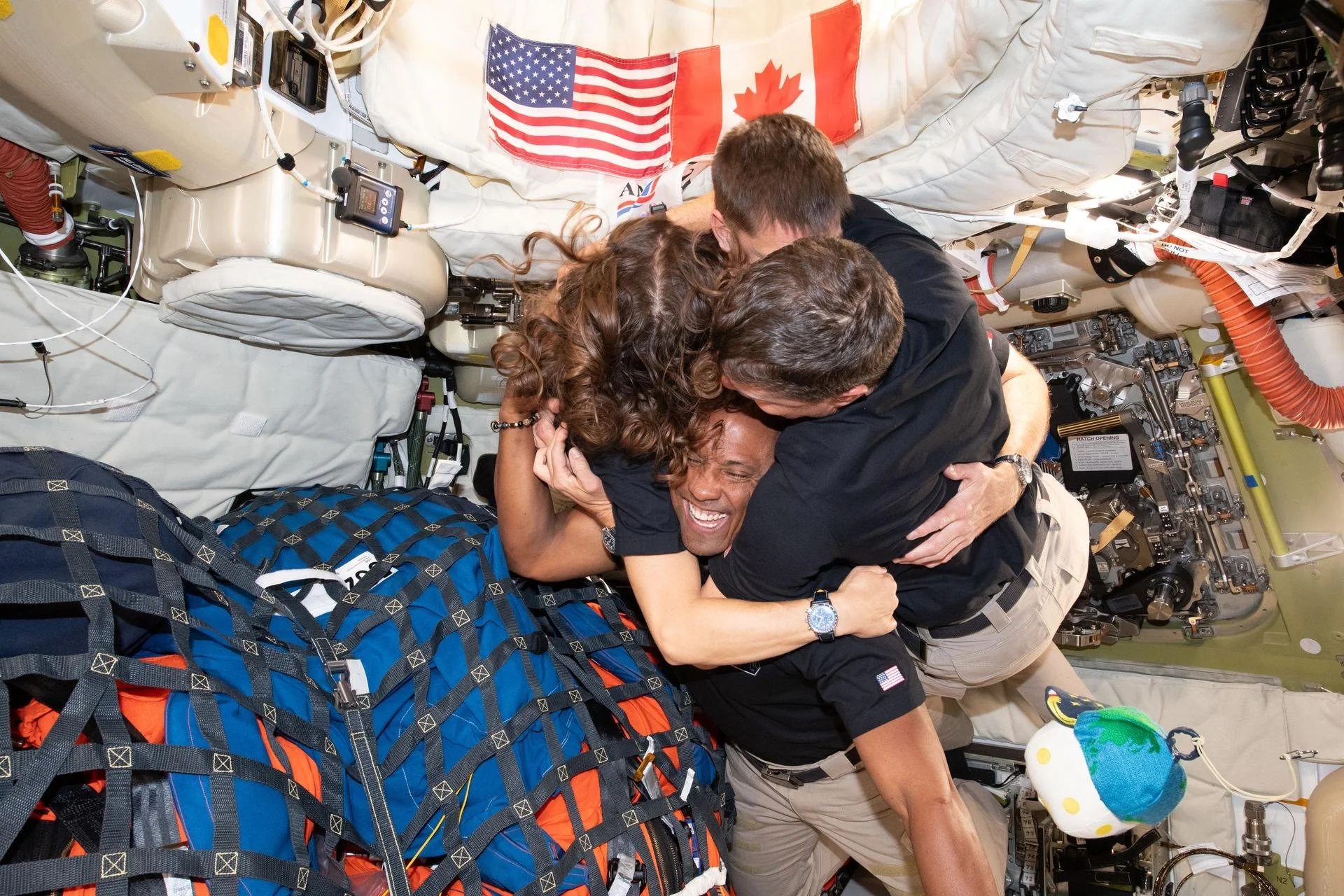
“Moon joy”
Given that Earth is facing increasingly difficult conditions for sustaining life, marked by overpopulation, pollution and more scarcity of resources, how sustainable is space travel and how likely is that humans will be able to settle & call a secondary planet “home”?
Only time will tell, but in the meantime:
we can just sit back and enjoy the ride.
Foto: NASA / Artemis II Return to Earth