MIRAS - Bilingual Landscape of Memory, Sound, and Belonging by SHIRIN
Review/Interview — Kadriia Sungatullina
Earlier this November, Finnish-born, London-based Tatar artist Shirin Nisametdin (22) released her new EP, MIRAS, a project that explores the emotional and linguistic spaces between cultures. By mixing English and Tatar lyrics into a visual world shaped by Finnish landscapes, SHIRIN creates music that feels soft, intimate, and deeply connected to heritage.
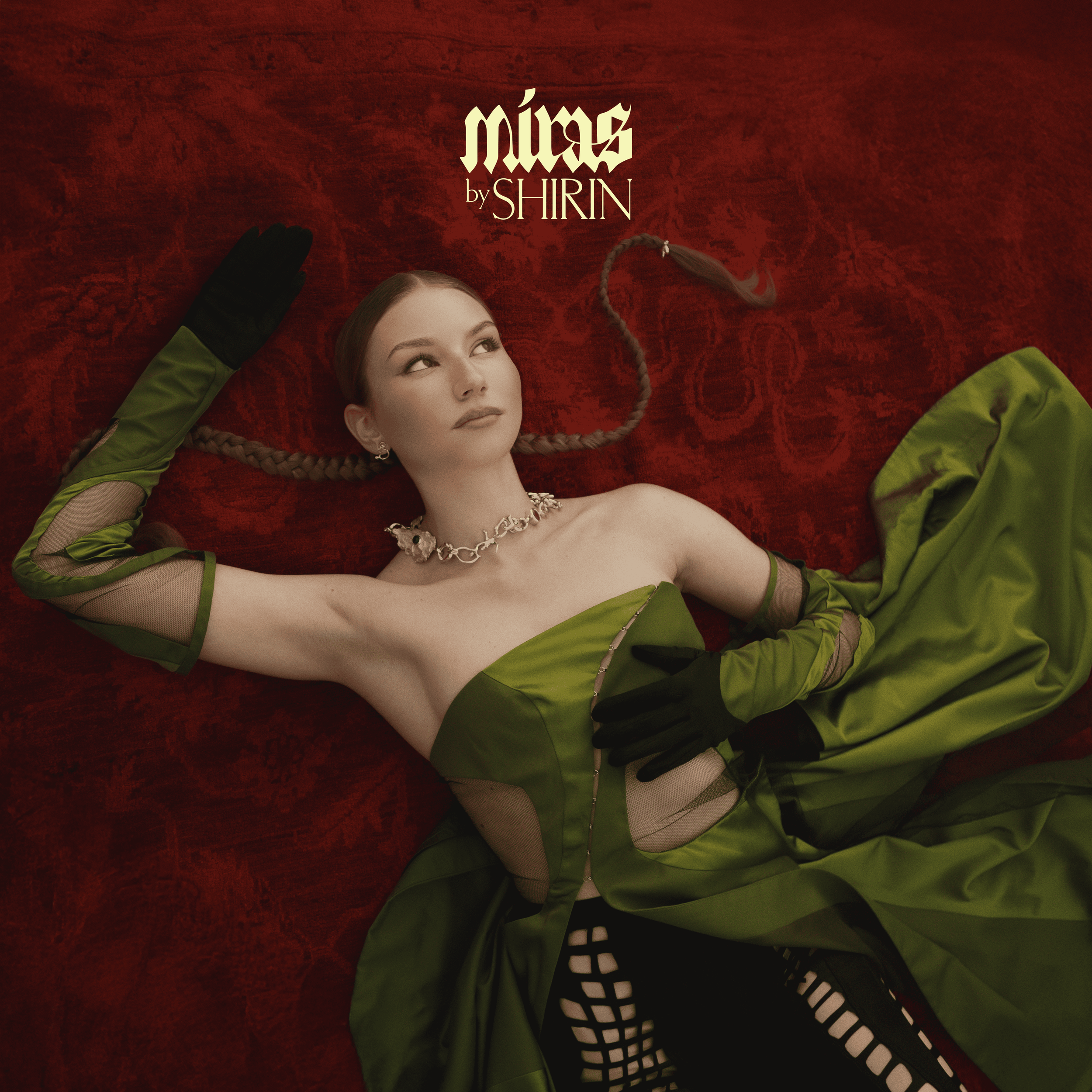
MIRAS. Photo: Shirin Nisametdin, EPK
Discovering MIRAS
I first learned about MIRAS through SHIRIN´s announcement on social media. The moment I saw that she had released an EP in Tatar, something deeply meaningful and culturally valuable for me, I pressed play immediately. What I heard was incredibly touching: nostalgic, tender, and resonant in a way that carried both familiarity and newness. I was touched by its emotional depth, so I reached out to Shirin on Instagram with a few questions, believing that her reflections on the project would offer insight not only into the EP itself, but also into the experience of creating art between languages and identities.
Heritage as a starting point
After listening to MIRAS, I asked Shirin about the origins of the project and why heritage became its central thread. She told me that the idea had lived quietly inside her for years. Growing up, she often listened to Alsou’s Tugan Tel, and even as a child she imagined one day making music in Tatar herself. That early feeling stayed with her until it took shape in adulthood, especially when her cousin, jewellery designer Ildar Wafin, began involving her in his own creative projects. “Seeing someone represent our culture through a contemporary lens opened my eyes to new possibilities ”, she explained. In the midst of her early twenties, still navigating who she is and where she belongs, MIRAS became a way of grounding herself, of understanding her place between languages and worlds.

MIRAS. Photo: Shirin Nisametdin, EPK
Finding voice between languages
Language plays a central role in MIRAS, shaping both its sound and emotional resonance. For Shirin, Tatar is the language she learned life through and continues to share with her family. Some of the Tatar lyrics on the EP were written together with her parents and brother, which made the bilingual process feel deeply personal. As she grew older and formed relationships outside her community, English became the language she used to open up. Writing bilingually revealed how differently she expresses herself depending on the language, and grew the importance of keeping her mother tongue alive. Bringing Tatar into her songwriting, she explained, feels like “reconnecting with something I don’t want to lose” - a link to family, memory, and identity that is expressed throughout the EP.
Crafting the soundscape
The sound of MIRAS is unmistakably soft, layered, and atmospheric, so I asked how she shaped its sonic world. The first four songs of the EP were co-produced with Daniel Salgado-Wunderlin, her flatmate, who helped translate her early vision into texture. By that time, the tone had already been set by her singles Su Buylap and Olo Yulnen Tuzane, both rooted in the Tatar feeling of moñ - “a Tatar essence that mixes longing, melancholy, and harmony”. “I wanted that concept to echo across the entire EP ”, she said. Soft layers of vocals, ambient production, and organic details became central in the project. Guitarist Téo Ziga added a beautiful guitar motif to Enkey, while Marco Balthazard Ciocca “mixed and mastered the project, giving the tracks warmth and fullness ”, Shirin added.
Visual world rooted in nature
Though the EP’s sound draws from inner emotional landscapes, the visuals reflect the outer ones she grew up with. Finnish nature with its quiet lakes, soft light, and endless forests became a natural visual world. “Finland is a huge part of who I am ”, Shirin told me, noting that Tatar culture’s deep connection to nature made the blend feel instinctive, rather than constructed. Working with a Finland-based team led by director Matilda Diletta, cinematographer Ville Mäkeläinen, and co-producer Ildar Wafin, she found a visual language that mirrored the duality of the EP: grounded, atmospheric, and beautifully in between.
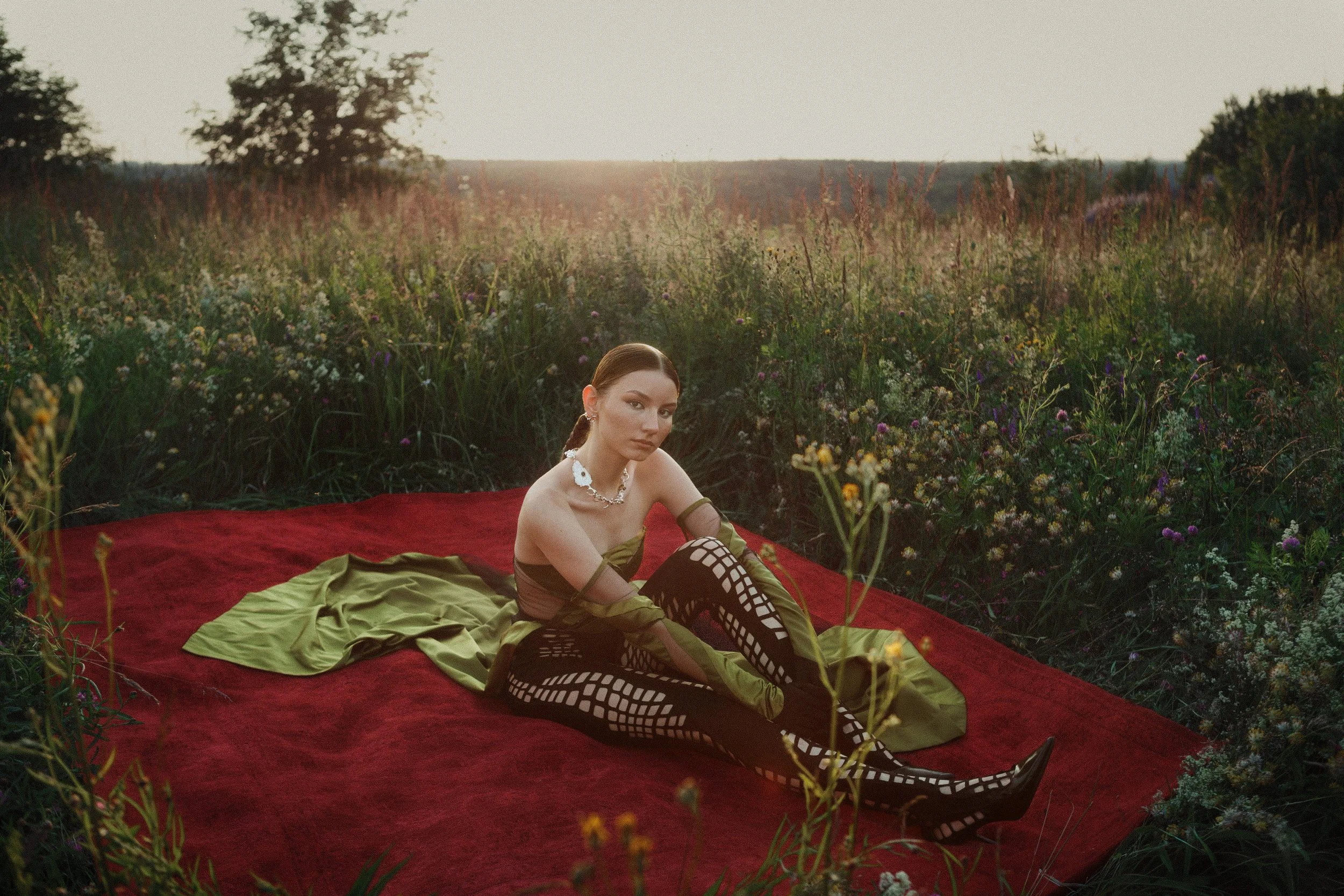
MIRAS. Photo: Shirin Nisametdin, EPK
What SHIRIN hopes listeners feel
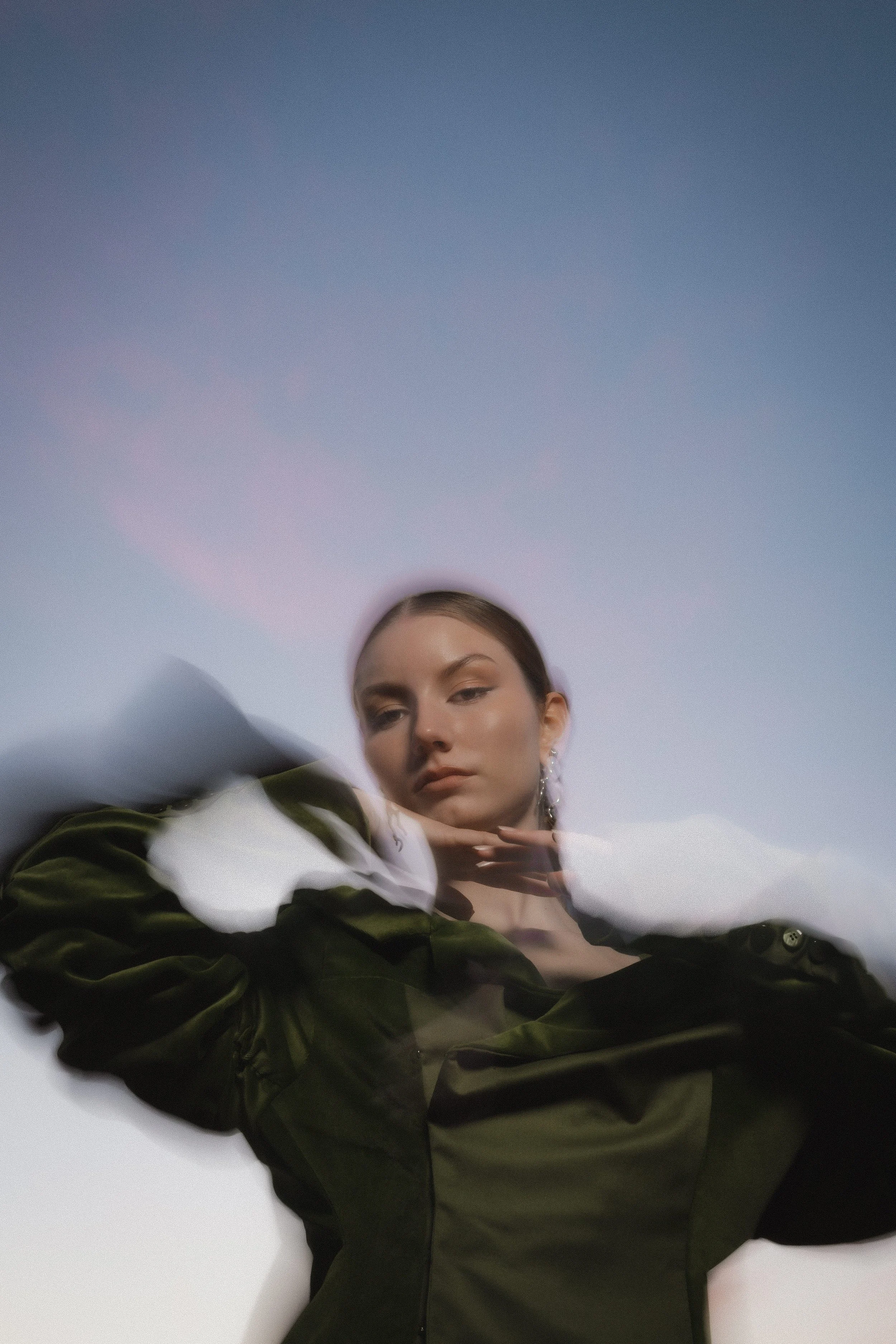
MIRAS. Photo: Shirin Nisametdin, EPK
Before ending our exchange, I asked what Shirin hopes listeners experience when they first hear MIRAS. Her answer was simple, nevertheless sincere: “I hope people feel the intention and care behind it.” “Some listeners have already described the EP as calming”, a description she cherishes. More than anything, she hopes the project meets people where they are, offering space to reflect, reconnect, or simply feel understood. If the music encourages someone to explore their own inner world or cultural roots, then she believes the EP has fulfilled its purpose.
Heritage in harmony
MIRAS is more than a debut EP. It is a quiet reclamation of language, memory, and belonging. In SHIRIN’s hands, Tatar becomes not only a cultural inheritance but a living, breathing part of contemporary expression. The softness of her sound, the sincerity of her lyrics, and the care she puts into every detail form a body of work that speaks to anyone who has ever lived between worlds. Personally, listening to MIRAS feels like being invited into a space where heritage is continually rediscovered, it is tender, intimate, and beautifully evolving.